Classical and Modern Languages Department
Students in the academic programs offered by the Department of Classical and Modern Languages become versatile thinkers and proactive doers who can connect with diverse communities around the world. Students come away with a firm knowledge of languages, customs, literature, and history that guide other cultures while being equipped with the critical-thinking and problem-solving skills necessary to make a difference in their communities and beyond.
Degrees and Programs
Majors
Minors
Graduate
Student Opportunities

Languages at Truman
Regardless of your major, being proficient in a foreign language can boost your career opportunities. Whether you want to study abroad, teach, pursue government work, or conduct international business, you can give yourself an edge by building a foreign language into your studies.

Opportunities for Hands-on Language Learning
The World Languages Living-Learning Community offers a unique on-campus living option for students with a strong interest in languages and cultures. Other opportunities to enhance your language skills include weekly conversation tables; service learning opportunities with native speakers in the community, in the schools, and Taiwan Connect; and immersion weekends in different languages.

Study-Abroad Programs
Study-abroad programs in China, Costa Rica, Japan, Spain, and Guatemala are led or organized by Classical and Modern Languages faculty members. Scholarships are also available for study abroad.
Resources for Prospective Students


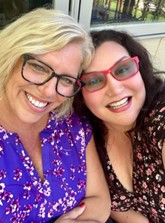 Dr. Stacy Davis and Dr. Elizabeth Naranjo-Hayes presented at the Kentucky Foreign Language Conference
April 24, 2024
Dr. Stacy Davis and Dr. Elizabeth Naranjo-Hayes traveled together to present at the Kentucky Foreign Language Conference, April 18th-20th, at the University of Lexington in Lexington, Kentucky. Both professors gave papers in their respective fields: “Teaching 19th-Century Peninsular Literature: Useful Tools for an Engaging Asynchronous Online Delivery” (Davis) and “Meeting in the Middle: Sociophonetic Convergence […]
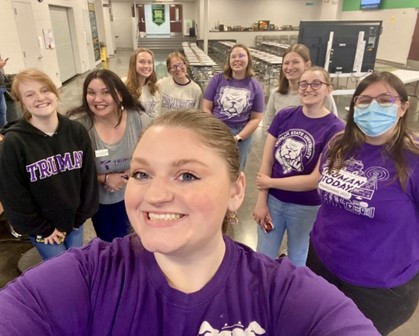 Service-learning event at Milan C-2 High School
March 27, 2024
Dr. Elizabeth Hayes’s SPAN 455 / CML 529G: Introduction to Translation and Interpretation course just did a service-learning event at Milan C-2 High School on Friday, March 22. They presented a “what to do after high school” career and college resource presentation BILINGUALLY with all information accessible in English and Spanish (since Milan High has a […]